
How We Care for Diabetes
What happens at the first visit?
We review your history, medications and any readings you have, and order blood and urine tests, usually the same day. You leave with a plan and a follow-up date.
How often will I be seen?
Most patients with diabetes are seen every three months or sooner, with an A1c check.
What do you check besides blood sugar?
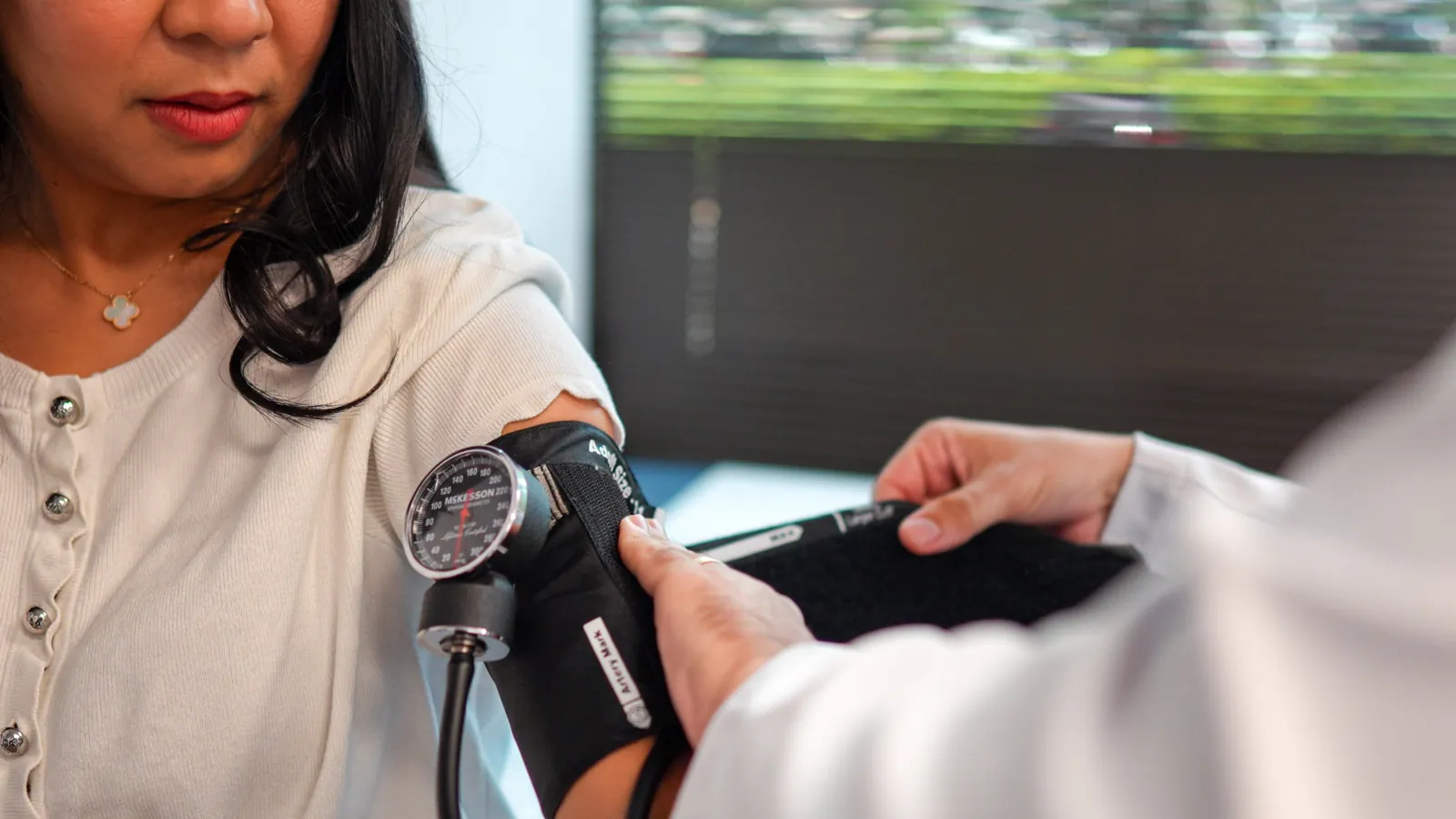
Blood pressure, cholesterol and kidney function. We also refer you for a yearly diabetic eye exam and for foot exams, and we follow up on the results.
Which treatments do you manage?
Our providers manage oral diabetes medications, insulin, and GLP-1 injectables such as Ozempic and Mounjaro. We also prescribe and review continuous glucose monitors for patients who need closer tracking.
Can follow-up visits be done by video?
Yes. All of our providers offer video visits, and many diabetes follow-ups can be done that way once your lab work is complete.
Book online or call the office nearest you: Rockville (301) 762-7723, Gaithersburg (240) 205-8055, Columbia/Elkridge (240) 380-2533. Diabetes is one of the conditions we manage as part of our chronic disease management care.
What is Diabetes?
Diabetes (or diabetes mellitus) is a condition where your blood sugar levels are too high. This could be due to your pancreas not creating enough insulin or because your body isn’t responding to the effects of insulin properly.
The sugar or glucose gets into your blood mainly through the carbohydrates you eat and drink. Your blood then carries it to your cells to use as energy. Insulin is a hormone that helps glucose enter into the cells. If your pancreas is not producing enough insulin or your body isn’t using it properly, then glucose builds up, causing high blood sugar levels (hyperglycemia).
If blood sugar levels remain high, it can damage blood vessels in the heart, eyes, kidneys, and nerves, causing health problems such as heart disease, kidney disease, and nerve damage. Diabetes has also been linked to high blood pressure.
Types of Diabetes
There are several different types of diabetes. These include:
- Type 1 Diabetes: This is an autoimmune disease where the immune system attacks insulin-producing cells in the pancreas. It is typically diagnosed in children and young adults but can also develop at any age.
- Type 2 Diabetes: This type of diabetes occurs when your body doesn’t make enough insulin and/or your body does not respond to insulin as it should. This is the most prevalent type of diabetes.
- Prediabetes: This is a stage before Type 2 diabetes. You have an elevated blood sugar level but not enough to be classed as type 2 diabetes.
- Gestational Diabetes: This can occur during pregnancy and usually goes away after the baby is born. However, having gestational diabetes puts you at an increased risk of developing Type 2 diabetes later on in life.
What Are the Symptoms of Diabetes?
Diabetes symptoms include the following:
- Increased thirst
- Frequent urination
- Weight loss
- Extreme fatigue
- Blurred vision
- Sores or cuts that take time to heal
The Causes of Diabetes
Type 2 diabetes develops when the body stops responding well to insulin, so sugar builds up in the blood. The reason for the high glucose levels varies depending on the type of diabetes. Some of the causes of diabetes include the following:
- Insulin Resistance: This occurs when your muscle, liver, and fat cells stop responding to insulin as they should. This is often related to factors like obesity, inactivity, diet, genetics, and certain medications. This is often the cause of type 2 diabetes.
- Autoimmune Disease: Type 1 diabetes results from your immune system attacking insulin-producing cells.
- Hormonal Imbalances: You may develop gestational diabetes because of pregnancy-related hormones. Hormone-related conditions such as Cushing syndrome and acromegaly can also lead to Type 2 diabetes.
- Pancreatic Damage: Damage to your pancreas through surgery or injury can impair insulin production.
- Medication Side Effects: Long-term use of certain medications, like HIV/AIDS drugs and corticosteroids, may contribute to Type 2 diabetes.
How is Diabetes Diagnosed?
Diabetes is diagnosed by checking your blood glucose level in a blood test. Various types of tests can be used, including the following:
- Fasting blood glucose test: After 8 hours without eating or drinking anything except water, you will measure your blood glucose. This will show your baseline blood sugar level.
- Random blood glucose test: You can take this test at any time. There is no need to fast.
- A1c or HbA1C: Also called the glycated hemoglobin test. It will give your average blood glucose level over the past two to three months.
- Oral glucose tolerance test: This test is used to diagnose gestational diabetes.
How to Treat Diabetes
Dr. Suresh Malik and the team at Quality Primary Care Associates will develop an individualized diabetes treatment plan for you based on the type of diabetes you have, your blood sugar numbers, and your overall health.
Managing diabetes may include:
- Insulin injections (for Type 1 diabetes and sometimes Type 2 diabetes)
- Oral hypoglycemic medication (for Type 2 diabetes)
- GLP-1 injectable medication
- Continuous glucose monitoring
- Diet modification
- An exercise program
- Stress management
- Weight loss
The team can also teach you how to monitor your blood glucose levels at home. Monitoring your blood sugar is an essential part of managing diabetes. It will show how various factors, such as diet, exercise, stress, and infection, affect your blood sugar levels.
Can Diabetes Be Prevented?
Autoimmune and genetic forms of diabetes cannot be prevented. However, there are many other diabetes risk factors that you have some control over. Preventative measures include the following:
- Eat healthily
- Get physically active
- Achieve and maintain a healthy weight
- Reduce stress
- Drink less alcohol
- Get sufficient sleep
- Stop smoking
Schedule an Appointment Today
If you are looking for a diabetes specialist in Rockville, Gaithersburg, or Columbia, MD, give Quality Primary Care Associates a call. Our doctors offer tailored treatments to help you manage your diabetes effectively and improve your overall health. Book your appointment today!
Medically reviewed by Suresh Malik, MD · Last reviewed November 2026
This information is for patient education only and does not replace medical advice, diagnosis, or treatment from your healthcare provider. For emergencies, call 911.
Book an appointment